
Pelagus supports the space after treatment, and the recovery journeys that don’t begin there.
Many clients arrive following residential treatment. Others have established sobriety through outpatient care, therapy, fellowship, community support or independently, but recognise that maintaining recovery requires more than simply remaining abstinent.
Pelagus provides a structured, clinically informed environment in which people can deepen their recovery and build the foundations for sustainable life beyond addiction.
Why this period matters
The first year of recovery carries the highest risk of relapse. Many clients are leaving structured care and losing the routine, accountability and support it provided; others reach the same point having built early sobriety through another pathway. Either way, it is exactly when people are most vulnerable. Pelagus is built specifically for this window, not as a replacement for therapy, but as a structured, clinically grounded continuation of it.

Our clinical approach
Our work is grounded in established relapse prevention methodology, third wave CBT approaches including SMART and DBT informed practice, and nature based and somatic interventions with a growing evidence base in addiction recovery. Every programme is delivered within a defined scope of practice, with formal screening, a named clinical lead, and a clear escalation pathway.
We are not a substitute for a client's existing therapist or psychiatrist. Most guests continue their existing therapeutic relationship throughout and after their time with us. With consent, we keep referrers in the loop, and the Recovery Map produced at the end of each programme is designed to integrate directly into the client's ongoing care plan.
The three programmes

Kilkenny
For men in recovery seeking a premium, private recovery environment. Golf, equine therapy, sailing and hiking combined with structured therapeutic support, in a discreet and high end setting suited to clients for whom confidentiality is essential.
Typical client profile: high functioning men, typically late thirties to early sixties, in senior executive, business owner or professional roles. Often alcohol, prescription medication or behavioural addiction masked by career success and outward stability. Frequently post treatment or approaching a pre crisis point where performance and image have concealed the severity of the problem. Burnout, chronic stress and a fear of professional or reputational exposure are common alongside the primary addiction issue. Discretion and control are usually as important to this client as the clinical outcome itself.

Achill Wild
For young adults aged 18 to 25 requiring adventure based therapeutic support. Surfing, coasteering, hiking and group based resilience work, delivered within a structured recovery framework.
Typical client profile: young adults in early stage recovery, often post treatment or following a first serious attempt at sobriety. Common issues include failure to launch into independent adult life, difficulty sustaining motivation without external structure, and a need for peer connection and accountability rather than isolation. Underlying anxiety, low self-esteem or unresolved family dynamics are often present alongside the primary substance use.
Deerstone
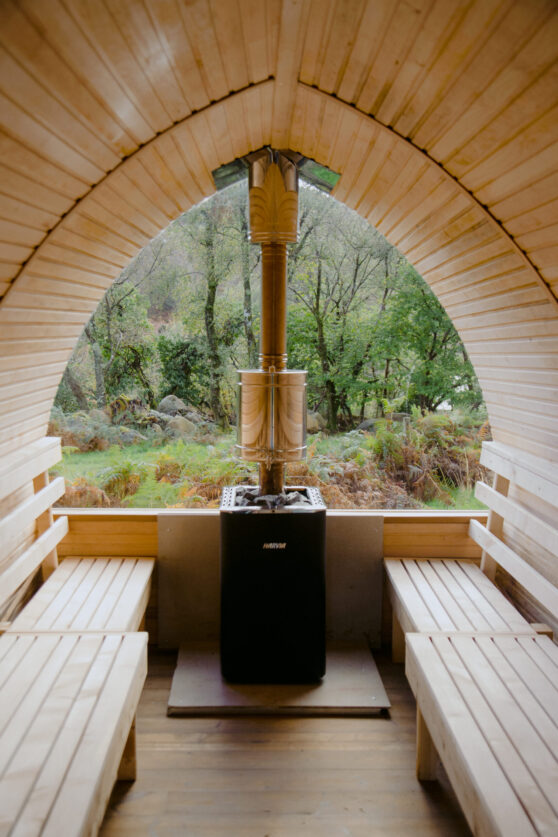
For women requiring trauma aware, nature led recovery support. A women only environment combining guided movement, narrative work and therapeutic practice in a safe, contained space.
Typical client profile: women typically in their mid thirties to fifties, often professionals, mothers or carers, where addiction sits alongside unresolved trauma, grief, or chronic burnout. Frequently post residential treatment or at a mid-recovery point where relapse risk is elevated due to ongoing caregiving responsibilities or domestic pressure. Many are stepping away from a caretaking role for the first time in years, and require a setting that feels safe rather than clinical, with space to process trauma alongside substance use rather than treating the two separately.
What happens when you refer
1
Enquire
Contact Colin directly by email or WhatsApp, or use the form below, with a brief outline of your client’s situation.
2
Clinical call
Colin arranges a confidential clinical call with you, the referring clinician, not the client, to understand the full clinical picture before anything else happens.
3
Fit conversation
You receive an honest, no pressure conversation about fit. If it is not the right time or the right programme, we will say so directly.
4
Onboarding
If a placement goes ahead, your client receives a welcome pack, and there is a pre arrival call between our practitioner and your client to prepare for the programme.
5
Recovery Map
At the end of the programme, you receive the Recovery Map, which is built to sit alongside and support your continuing care plan, shared with the client’s consent.
Talk directly to Colin
Every referral conversation is with Colin Healy, Co-Founder, not a sales team. For urgent or time sensitive queries, WhatsApp is the fastest way to reach Colin directly.